

Professional Mobile Car Inspection: A How-To Guide
Table of Contents
What Does a Professional Mobile Car Inspection Include
Mechanical and Safety Checks
Diagnostic Scan and Engine Assessment
Used Car Inspection Checklist: What to Verify
Body and Frame Inspection Points
Fluid Leaks and Electrical System
How to Schedule and Prepare for a Mobile Inspection
Choosing a Qualified Independent Inspector
Preparing Your Vehicle and Location
Pre-Purchase Inspection Cost and What to Expect
Pricing Breakdown by Service Level
Turnaround Time and Report Delivery
Understanding Your Inspection Report and Findings
Reading Defect Categories and Repair Estimates
Using the Report to Negotiate with the Seller
Common Inspection Limitations and Seller Cooperation
Protecting Yourself: Licensing, Insurance, and Second Opinions
Frequently Asked Questions
Last Updated: October 19, 2026
What Does a Professional Mobile Car Inspection Include
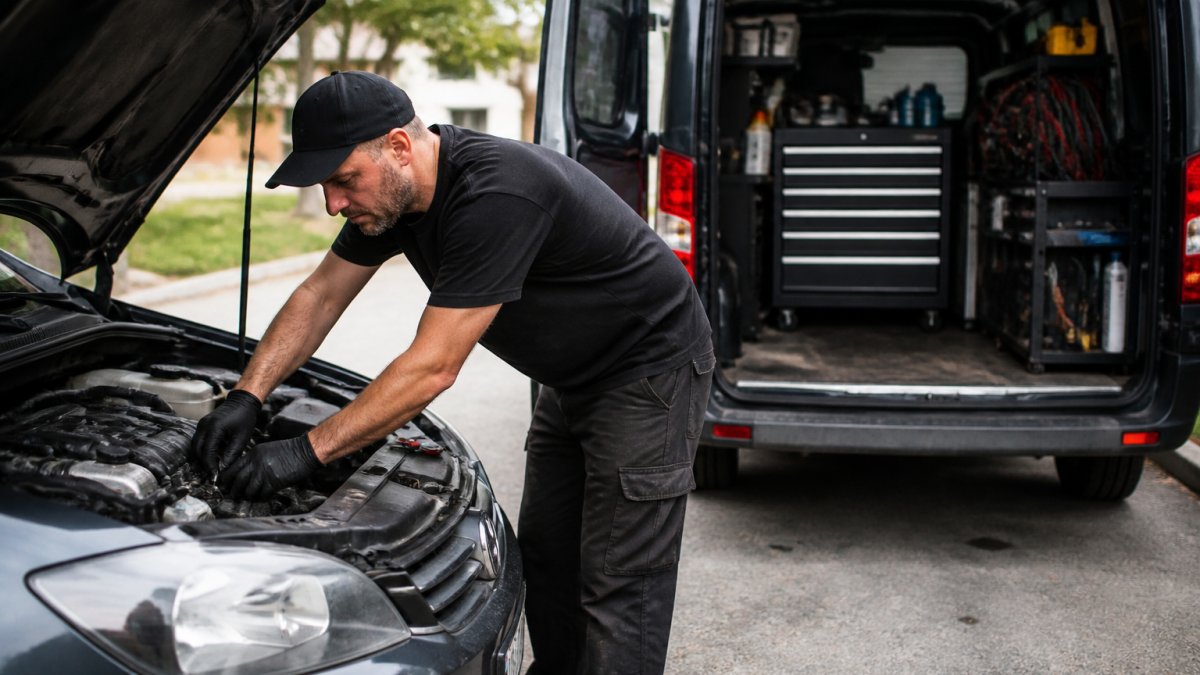
A professional mobile car inspection is a comprehensive evaluation of a vehicle's mechanical, safety, and structural condition performed at the seller's location or your home. The inspector comes to you with diagnostic equipment and tools, examining everything from the engine to the frame, and delivers a detailed written report before you commit to a purchase.
A thorough mobile car inspection protects that investment by identifying hidden problems before they become expensive repairs. The inspection typically takes 1-2 hours.
Mechanical and Safety Checks
The mechanical assessment is the heart of any professional mobile car inspection. The inspector checks the engine for leaks, corrosion, unusual wear, and fluid levels, examines the transmission for slipping or grinding, and tests brakes for responsiveness and wear, including pads, rotors, and brake fluid.
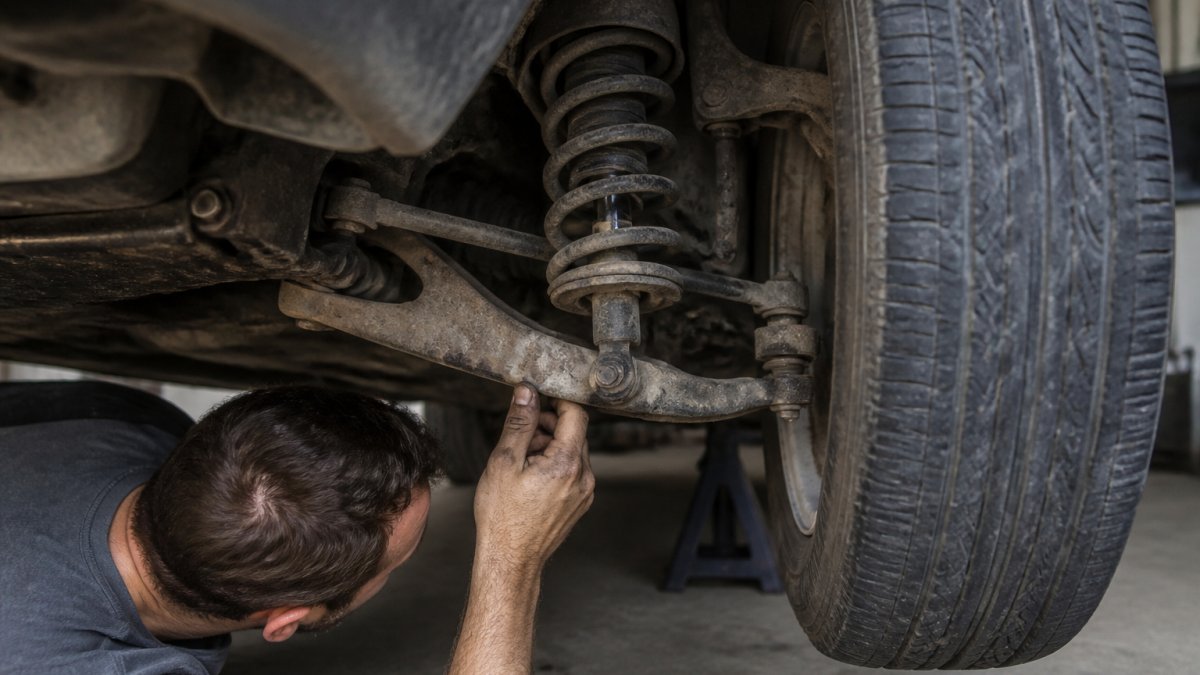
The inspector checks springs, shocks, struts, and control arms for wear or damage, evaluates steering for unusual play or resistance, and measures tire tread depth, since uneven wear often indicates alignment or suspension problems.
Electrical testing covers battery health, alternator output, and starter function, plus lights, wipers, and window motors. The inspector also checks for corrosion on battery terminals and confirms all warning lights function correctly.
Diagnostic Scan and Engine Assessment
Modern vehicles store diagnostic trouble codes when problems occur. A professional mobile car inspection includes a diagnostic scan that reads these codes, revealing problems ranging from minor sensor issues to serious emissions system failures.
The engine assessment goes beyond the scan: the inspector checks for carbon buildup or damage, verifies the engine starts smoothly and idles at the correct RPM, and during a test drive evaluates acceleration, power delivery, and hesitation under load.
Cooling system integrity is verified by checking hose condition, radiator cleanliness, and coolant level and color, since overheating or leaking coolant often signals expensive repairs. Belts and hoses are examined for cracks, fraying, or brittleness.
Used Car Inspection Checklist: What to Verify
Knowing what gets checked helps you understand the report and ask informed questions. A comprehensive used-car inspection checklist covers the systems that directly impact safety, reliability, and resale value.
System | What Gets Checked | Red Flags to Watch |
Engine | Leaks, noise, compression, diagnostic codes | Excessive smoke, knocking, rough idle |
Transmission | Fluid condition, shift quality, leaks | Slipping gears, grinding, burning smell |
Brakes | Pad wear, rotor condition, fluid level | Soft pedal, pulsing, warning light on |
Suspension | Springs, shocks, control arms, alignment | Clunking, uneven tire wear, pulling |
Electrical | Battery, alternator, lights, wiring | Dead battery, dim lights, electrical smell |
Body & Frame | Rust, dents, paint consistency, frame damage | Rust perforation, frame bending, misaligned panels |
Body and Frame Inspection Points
The body inspection reveals the vehicle's history of accidents, repairs, and weather exposure. The inspector checks paint consistency across all panels for overspray or color mismatches, and examines panels for dents, creases, or collision repair.
Frame damage is one of the most serious issues a professional mobile car inspection can uncover, affecting handling, safety, and resale value. The inspector looks for misaligned doors, windows, and trunk, and for non-factory welds.
Rust inspection focuses on door jambs, undercarriage, wheel wells, and the trunk. Surface rust is cosmetic, but rust perforation means structural integrity is compromised. The inspector photographs rust damage and notes its severity.
Fluid Leaks and Electrical System
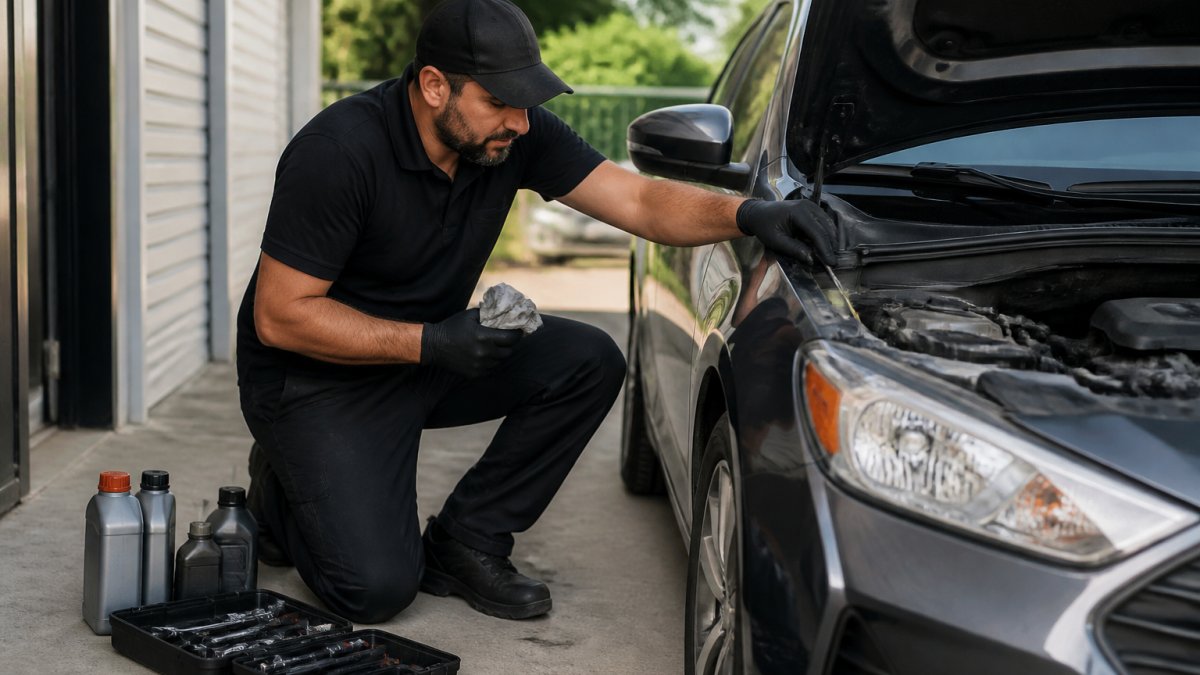
Fluid leaks indicate failing seals, gaskets, or components. The inspector checks for oil leaks around the engine block, transmission pan, and valve covers; transmission fluid leaks suggest seal failure, coolant leaks point to radiator or hose problems, and brake fluid leaks are safety-critical.
The electrical evaluation tests the battery's ability to hold charge and deliver current, checks the alternator charges properly, and verifies starter function by listening for grinding or clicking that indicates wear.
Wiring is inspected for corrosion, loose connections, or damage, dashboard warning lights are activated to confirm they illuminate, and all accessories, windows, locks, mirrors, and seat adjustments are checked for smooth operation.
How to Schedule and Prepare for a Mobile Inspection
Scheduling a professional mobile car inspection is straightforward, but preparation ensures an accurate assessment. Contact your inspector at least 2-3 days in advance to confirm availability and get a quote, and provide the vehicle's year, make, model, and mileage so they can prepare the right diagnostic tools.

On inspection day, ensure the seller has the vehicle accessible with keys available and adequate lighting, a driveway or parking lot works well, but a dark garage makes thorough inspection difficult.
Park the vehicle on level ground so the inspector can safely check suspension and undercarriage components, and keep at least a quarter tank of fuel for the engine run and test drive.
Choosing a Qualified Independent Inspector
An independent inspector has no financial stake in the sale, so their assessment is unbiased. Look for certification which indicates training, experience, and adherence to professional standards.
Verify the inspector carries liability insurance, which protects you if they damage the vehicle. Ask how long they've been inspecting and whether they specialize in your vehicle type, expertise with specific makes or models is valuable for luxury or specialty vehicles.
Request references and check online reviews. A reputable inspector will explain findings in detail and answer questions; avoid anyone who pressures you to buy or sell or rushes the process.
Preparing Your Vehicle and Location
The seller should wash the vehicle so the inspector can see paint and body condition clearly. Don't have the engine cleaned or detailed, the inspector needs to see it as it actually runs.
Ensure the battery has a full charge. If the vehicle has been sitting, let it run a few minutes before the inspector arrives so the engine reaches operating temperature for a more accurate picture.
Clear the inspection area of obstacles so the inspector can move around safely. If at the seller's location, confirm they understand the inspector needs access to the entire vehicle, including underneath and the engine bay.
Pre-Purchase Inspection Cost and What to Expect
The cost of a professional mobile car inspection varies by vehicle type, location, and depth of inspection. Most inspectors charge a flat fee or hourly rate, with higher rates for luxury or specialty vehicles.
Pricing Breakdown by Service Level
A basic mobile car inspection typically covers the essential systems: engine, transmission, brakes, suspension, electrical, and a visual body assessment.
A comprehensive inspection includes everything in the basic package plus additional testing: transmission fluid analysis, coolant system pressure testing, and detailed frame inspection.
Specialty inspections for specific concerns, such as pre-purchase inspection for a luxury vehicle, a diagnostic scan for a check-engine light, or a frame damage assessment, may carry additional fees.
Turnaround Time and Report Delivery
Most inspectors deliver a written report within 24 hours of completing the inspection. The report typically includes photographs of any issues found, a detailed summary of the vehicle's condition by system, and repair estimates for identified problems. Digital reports are standard, allowing you to review findings immediately on your phone or computer.
The report format varies by inspector, but the best reports are organized by system, clearly categorize findings by severity, and include recommendations for next steps.
Turnaround time may be faster if you request a digital report only, without printed copies.
Understanding Your Inspection Report and Findings
Once you receive your professional mobile car inspection report, the next step is interpreting the findings and deciding how to proceed. The report is your use in negotiations, use it to request repairs, price reductions, or to walk away if the vehicle has serious problems.
Reading Defect Categories and Repair Estimates
Most inspection reports organize findings into categories: critical safety issues, major repairs needed, minor repairs, and maintenance items. Critical safety issues, such as failed brakes, steering problems, or frame damage, must be addressed before the vehicle is safe to drive. These are deal-breakers in most cases.
Major repairs are expensive fixes like transmission problems, engine damage, or suspension failure. These typically cost thousands of dollars and should factor heavily into your offer price. Minor repairs are less urgent but still affect reliability, worn brake pads, a failing alternator, or a small coolant leak.
Maintenance items are routine services like oil changes, filter replacements, or tire rotation. These are the seller's responsibility to address, but they're not reasons to reject a vehicle.
Using the Report to Negotiate with the Seller
Armed with a detailed inspection report, you have concrete evidence to support your negotiating position. If the inspection reveals significant issues, request that the seller make repairs before you take ownership, or ask for a price reduction equal to the estimated repair cost.
Some sellers will argue that inspection findings are exaggerated or that they don't warrant concern. Have the inspector available to explain their findings and answer questions. A professional inspector's assessment carries weight and is difficult to dispute, especially if they've documented issues with photographs.
If the seller refuses to address major issues and you still want the vehicle, negotiate the price down to reflect the repair costs you'll incur.
Common Inspection Limitations and Seller Cooperation
A professional mobile car inspection is thorough, but it has limitations you should understand. The inspector cannot predict future failures or determine exactly how long a component will last.
Some sellers are reluctant to allow a thorough inspection, which is a red flag. They may claim the vehicle is on a tight timeline, that they don't want strangers working on their property, or that an inspection is unnecessary.
Weather conditions can affect inspection quality. Heavy rain, snow, or darkness makes it harder to inspect the undercarriage and see rust or damage clearly.
The inspector cannot safely remove parts or perform destructive testing. They won't disassemble the engine or transmission to check internal components. For older vehicles or those with significant mileage, you may want to request a compression test or transmission fluid analysis to assess internal wear.
Protecting Yourself: Licensing, Insurance, and Second Opinions
Before hiring an inspector, verify they're properly licensed and insured. Ask to see proof of insurance, liability coverage protects you if the inspector accidentally damages the vehicle during inspection.
Check whether your state requires inspection certifications. Some states have specific requirements for automotive inspectors, while others have minimal regulation. Organizations offer certifications that exceed state minimums and indicate a higher standard of training.
If the inspection reveals major issues, getting a second opinion is reasonable. Some sellers will allow a second inspector to examine the vehicle, though they may charge an additional inspection fee.
Document everything in writing. Get a written estimate before the inspection, a detailed written report afterward, and keep all communications with the inspector and seller. This documentation protects you if disputes arise about what was found or what was promised.
A professional mobile car inspection gives you the information you need to negotiate confidently, avoid expensive surprises, and make a purchase decision based on facts rather than hope. Whether you're buying locally or from a distance, a thorough inspection before you sign the paperwork is time and money well spent. Contact us to schedule your inspection and get the clarity you deserve before making your purchase.
Frequently Asked Questions
What does a professional mobile car inspection include?
A professional mobile car inspection covers mechanical and safety checks including brakes, suspension, steering, tires, transmission, and engine condition. It includes a diagnostic scan to identify any issues, fluid leak assessment, electrical system testing, and body/frame damage evaluation. The inspector performs a road test and provides a detailed report with photos and repair estimates for any defects found.
How much does a pre-purchase inspection cost?
Pre-purchase inspection costs vary by service level and vehicle type. Always confirm pricing upfront and ask what's included before scheduling.
How do I know an inspector won't recommend unnecessary repairs?
Request a detailed written report with photos and specific findings. Get a second opinion if a repair estimate seems unusually high, and compare recommendations before authorizing work.
What should I look for in a used car inspection checklist?
A thorough used car inspection checklist should verify brakes, suspension, steering responsiveness, tire tread and condition, transmission shifts, engine compression, fluid leaks, electrical system function, body damage, frame integrity, and service records. The inspector should also perform a road test to assess handling and identify any warning lights. Request photos of all findings in the final report.
Contact Us
Comments