

Preventative Vehicle Maintenance Tips for 2026
Last Updated: October 23, 2026
Quick Summary
Preventative vehicle maintenance costs a fraction of emergency repairs and keeps your car reliable, extends its lifespan, and protects your safety on the road. A solid preventative vehicle maintenance schedule should include monthly checks, seasonal inspections, and annual services based on manufacturer recommendations and mileage milestones.
Check tire pressure, fluid levels, and lights monthly to catch small problems before they become expensive repairs.
Rotate tires every 5,000 to 7,000 miles to ensure even wear and extend tire life significantly.
Follow manufacturer oil change intervals of 7,500 to 10,000 miles instead of the outdated 3,000-mile rule.
Inspect brake pads every 12,000 miles or annually, ensuring at least 1/4 inch of friction material remains.
Replace tires when tread depth reaches 4/32 inch, typically lasting 25,000 to 50,000 miles with proper rotation.
Table of Contents
Why Preventative Vehicle Maintenance Matters
Building Your Car Maintenance Checklist
Monthly and Seasonal Checks
Annual Inspections You Can't Skip
Preventative Car Maintenance Schedule by Mileage
0 to 30,000 Miles
30,000 to 60,000 Miles
60,000 Miles and Beyond
How Often to Change Engine Oil and Filter
Brake Maintenance and Warning Signs
Common Brake Warning Indicators
Routine Brake Inspections
Tire Care and Rotation Intervals
Common Maintenance Mistakes to Avoid
Getting Professional Help When You Need It
Frequently Asked Questions
Why Preventative Vehicle Maintenance Matters
Your car is one of your biggest investments. Without preventative vehicle maintenance, that investment depreciates fast, and you'll be the one paying for it. A single neglected maintenance issue can cascade into thousands in repairs.
The math is simple: preventative vehicle maintenance costs a fraction of emergency repairs. It keeps your car reliable, extends its lifespan, and protects your safety on the road.
Think of preventative maintenance as insurance. You're spending small amounts now to avoid massive expenses later. More importantly, you're ensuring your vehicle won't leave you stranded at an inconvenient time.
Building Your Car Maintenance Checklist
A solid preventative car maintenance schedule doesn't have to be complicated. Most vehicles follow predictable patterns based on manufacturer recommendations and real-world wear patterns. The key is creating a checklist you'll actually follow, and sticking to it.
Your preventative car maintenance schedule should include monthly checks, seasonal inspections, and annual services. Some items take five minutes. Others require professional attention. The combination keeps your vehicle running smoothly year-round.
Monthly and Seasonal Checks
Monthly inspections catch small problems before they become big ones. Spend ten minutes checking tire pressure, fluid levels, and lights. Low tire pressure reduces fuel efficiency and increases blowout risk. Engine oil levels drop over time, topping them off prevents sludge buildup. Coolant keeps your engine from overheating. Windshield washer fluid ensures visibility in bad weather.
Seasonal changes demand specific attention. Before winter, check your battery's charge capacity, cold weather reduces it by 30 percent. Inspect wiper blades for wear. Verify that your heating system works properly. Before summer, test your air conditioning and check your cooling system.
Annual Inspections You Can't Skip
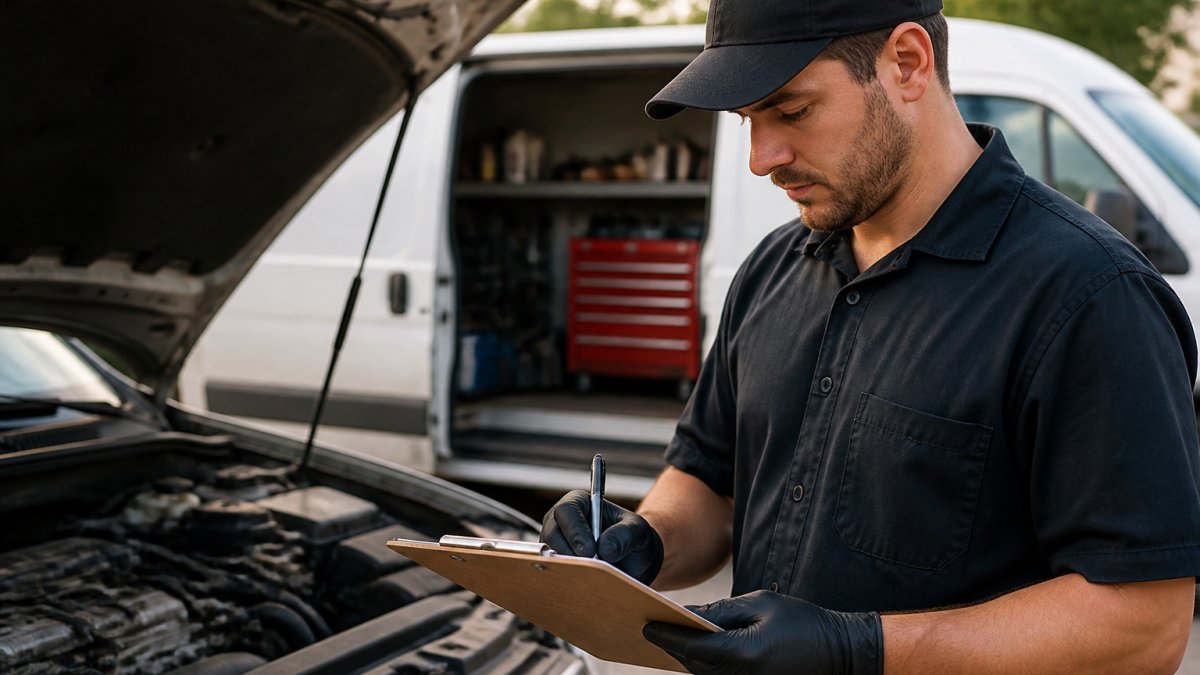
Once yearly, schedule a comprehensive inspection. Your manufacturer's maintenance guide lists the exact items to check. This typically includes brake system evaluation, suspension components, battery condition, and fluid analysis. Many shops offer this as a single service rather than piecemeal inspections.
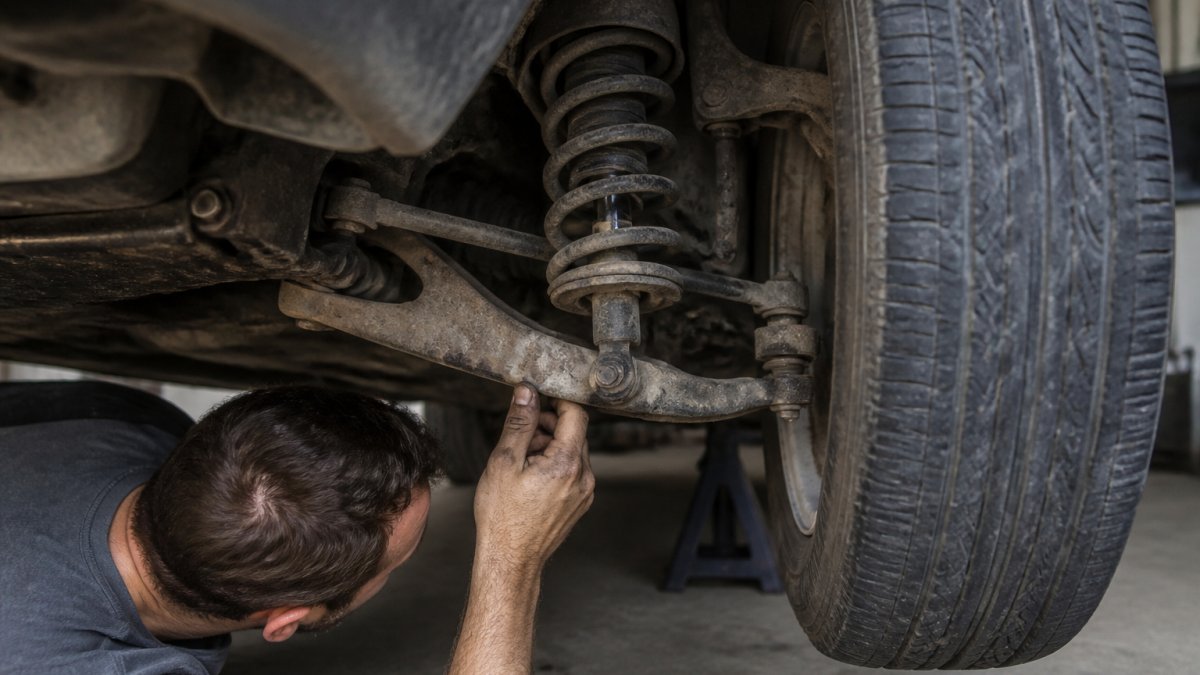
Annual inspections catch wear patterns that monthly checks miss. Brake pads wear gradually, an annual check ensures they have adequate thickness remaining. Suspension components deteriorate slowly, a professional can spot early wear before it affects handling or safety. Battery condition declines over time, testing it annually prevents unexpected failures.
Preventative Car Maintenance Schedule by Mileage
Mileage-based maintenance is your roadmap. Your vehicle's manufacturer has engineered specific service intervals based on how components wear under normal driving. Following these intervals keeps everything functioning as designed.
Different mileage milestones trigger different maintenance needs. Early ownership focuses on establishing good habits. Mid-life maintenance prevents the failures that commonly occur around 60,000 miles. High-mileage vehicles need more frequent attention to aging components.
0 to 30,000 Miles
Your first 30,000 miles are critical. This is when you establish maintenance patterns that will define your vehicle's lifespan. Most manufacturers recommend an oil change between 5,000 and 10,000 miles, follow their guidance, not old industry rules.
Rotate your tires every 5,000 to 7,000 miles. This ensures even wear and extends tire life significantly. Check your air filter at 15,000 miles. Inspect brake pads for wear. Top off all fluids regularly. At 30,000 miles, many vehicles benefit from a comprehensive inspection even if no specific service is due. This establishes a baseline for future comparisons.
30,000 to 60,000 Miles
This is when preventative vehicle maintenance begins paying obvious dividends. Your first major service often occurs around 30,000 miles, transmission fluid, spark plugs, or cabin air filter replacement, depending on your vehicle. Follow your manufacturer's schedule precisely.
Continue tire rotations every 5,000 to 7,000 miles. Brake inspection becomes more critical, pads wear faster as your vehicle ages. Check suspension components for play or noise. Many vehicles need coolant system flushing around 50,000 miles. Battery testing becomes routine. At 60,000 miles, you're typically due for significant service work.
60,000 Miles and Beyond
High-mileage vehicles demand more attention. Components that were new at 30,000 miles are now halfway through their typical lifespan. Brake systems, suspension, and transmission all require closer monitoring. Oil changes may need to occur more frequently as engine wear increases.
At this stage, preventative vehicle maintenance becomes your best defense against expensive failures. Transmission fluid, coolant, and brake fluid all degrade over time and mileage. Replace them according to manufacturer recommendations. Suspension components wear faster, have them inspected annually. Battery performance declines, replacement around 100,000 miles is typical.
Follow these mileage-based maintenance milestones to keep your vehicle running reliably.
Mileage Range | Key Maintenance Tasks | Frequency |
0 to 30,000 miles | Oil changes, tire rotations, air filter check | Every 5,000-10,000 miles |
0 to 30,000 miles | Tire rotations | Every 5,000-7,000 miles |
30,000 to 60,000 miles | Transmission fluid, spark plugs, cabin air filter | As per manufacturer schedule |
30,000 to 60,000 miles | Coolant system flushing | Around 50,000 miles |
60,000 miles and beyond | Transmission fluid, coolant, brake fluid replacement | Per manufacturer recommendations |
60,000 miles and beyond | Suspension component inspection | Annually |
100,000 miles | Battery replacement | Typical replacement point |
How Often to Change Engine Oil and Filter
Oil changes are the foundation of preventative vehicle maintenance. Engine oil lubricates moving parts, cools the engine, and carries away contaminants. Dirty oil loses these abilities and allows engine damage to accelerate.
Modern synthetic oils have transformed oil change intervals. The old "3,000-mile rule" is outdated. Consult Why Today's Engines Need Modern Fluids, Premium Filters, and Extended Oil Changes for detailed guidance on modern oil standards and extended intervals.
Check your oil level monthly. Low oil levels indicate a problem, either you're burning oil or there's a leak. Top off as needed. When you change your oil, always replace the filter.
Brake Maintenance and Warning Signs
Brakes are your safety system. Brake failure doesn't just cost money, it endangers your life and others on the road. Preventative brake maintenance prevents failures before they happen.

Common Brake Warning Indicators
Your brakes communicate through sound and feel. A soft, spongy pedal indicates air in the brake lines or degraded fluid. A hard pedal that requires excessive pressure suggests a failing brake booster. Grinding noise means metal-to-metal contact, your pads are gone and rotors are damaged.
Pulling to one side during braking suggests uneven pad wear or a stuck caliper. Vibration in the pedal indicates warped rotors. Any of these signs demand immediate inspection. Don't wait for a catastrophic failure. Learn more about Mobile Brake Repair in St. Johns: A Complete Guide for detailed brake assessment and professional repair options.
Routine Brake Inspections
Inspect brake pads every 12,000 miles or annually, whichever comes first. Pads should have at least 1/4 inch of friction material remaining. Rotors should be smooth without scoring or deep grooves. Brake fluid should be flushed every two years or as your manufacturer recommends. Old fluid absorbs moisture and loses effectiveness.
Listen to your brakes. They'll tell you when something's wrong. Don't ignore warning signs. Early intervention prevents expensive rotor and caliper damage. Professional inspection catches problems you can't see, like fluid leaks or internal caliper stiction. Brake maintenance is not an area for DIY shortcuts.
Tire Care and Rotation Intervals
Tires are your only contact with the road. Proper tire maintenance affects handling, fuel efficiency, and safety. Rotate your tires every 5,000 to 7,000 miles to ensure even wear across all four wheels.
Check tire pressure monthly. Underinflated tires wear faster, reduce fuel economy, and increase blowout risk. Overinflated tires wear in the center and handle poorly.
Replace tires when tread depth reaches 4/32 inch. Many tires last 25,000 to 50,000 miles depending on driving habits and road conditions. Rotate them regularly and they'll reach the upper end of that range.
Common Maintenance Mistakes to Avoid
Most maintenance mistakes stem from ignoring warning signs or deferring routine service. The most common error is skipping oil changes.
Another frequent mistake is ignoring fluid leaks. A small puddle today becomes a major system failure tomorrow. Address leaks immediately. Don't assume "it's probably nothing." It's always something.
Many owners defer brake service because they think pads will last longer. They won't.
The biggest mistake overall is treating preventative vehicle maintenance as optional. It's not. It's the difference between a reliable vehicle and one that constantly breaks down.
Getting Professional Help When You Need It
Some maintenance tasks are DIY-friendly. Oil changes, filter replacements, and fluid top-offs are manageable for mechanically inclined owners. Most other work requires professional expertise and specialized tools.
Brake work, suspension service, transmission maintenance, and engine diagnostics demand professional attention. Mistakes in these areas create safety hazards or cause expensive damage. Choosing the right shop matters tremendously.
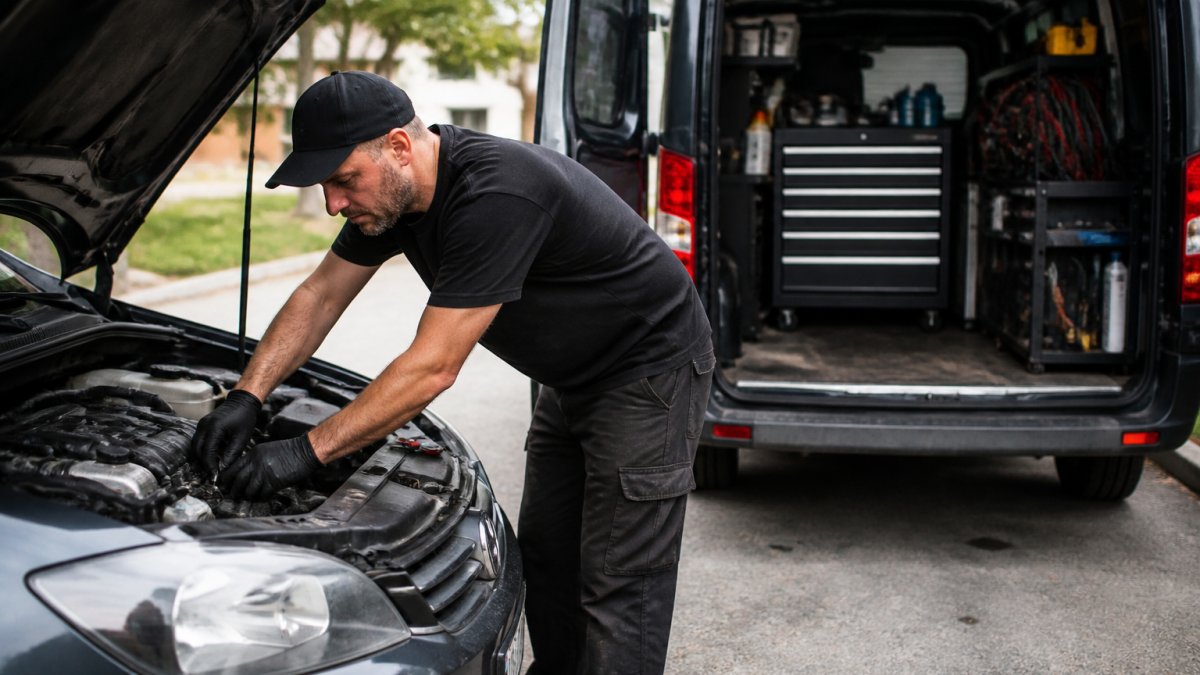
Leaders Racing provides professional mobile automotive repair services in St Johns, FL and surrounding areas.
Visit our Services page to learn what we offer and how to schedule your appointment. Or book your appointment immediately at your convenience.
Frequently Asked Questions
What preventative maintenance should I do on my car?
Start with the basics: check tire pressure and tread monthly, inspect brakes for wear, top off fluids (oil, coolant, brake fluid), and replace air filters annually. Follow your vehicle's maintenance schedule for oil changes, tire rotations, and brake inspections. Regular checks catch small problems before they become expensive repairs, saving you money and keeping your vehicle reliable.
How often should I change my oil in 2026?
Most modern vehicles require oil changes every 7,500 to 10,000 miles or every 6 to 12 months, whichever comes first. Check your owner's manual for the exact interval for your vehicle. Synthetic oils often allow longer intervals than conventional oil. Staying on schedule protects your engine and maintains fuel efficiency.
What are the signs that my brakes need service?
Watch for squealing or grinding sounds, a soft or spongy brake pedal, reduced stopping power, or a burning smell after braking. Brake warning lights on your dashboard also indicate service is needed. These signs suggest worn pads, low brake fluid, or rotor damage. Address brake issues immediately, they affect your safety and your vehicle's ability to stop properly.
How often should I rotate my tires?
Rotate your tires every 5,000 to 8,000 miles or at every other oil change. Regular rotation extends tire life and ensures even wear across all four tires. Check your tire pressure monthly when tires are cold, and inspect tread depth with the penny test, insert a penny into the tread. If you see Lincoln's head, your tread is too shallow and replacement is needed.
Does regular preventative maintenance help avoid costly repairs?
Yes, significantly. Preventative maintenance catches issues early when they're cheaper to fix. Neglecting oil changes, tire rotations, and brake inspections leads to engine damage, blowouts, and brake failure, all far more expensive. Small investments in routine care protect your vehicle's longevity and resale value while avoiding emergency repair bills.
How often should I replace my car battery?
Car batteries typically last 3 to 5 years. Have yours tested annually after three years, especially before winter. Signs of a failing battery include slow engine cranking, dim headlights, or corrosion on terminals. Replacing a battery before it fails prevents you from being stranded and avoids potential damage to your vehicle's electrical system.
Which car maintenance tasks can I do myself?
You can handle basic tasks like checking fluid levels, replacing air filters, topping off washer fluid, and inspecting tire pressure and tread. Tire rotations are manageable if you have the right tools. More complex work like brake service, suspension repairs, or engine diagnostics requires professional tools and expertise. Know your limits to avoid costly mistakes.
Preventative vehicle maintenance protects your investment and keeps you safe. Small, regular services prevent expensive failures and unexpected breakdowns. Leaders Racing provides honest, transparent mobile repair service that handles everything from routine maintenance to complex diagnostics. We focus on keeping your vehicle reliable without unnecessary upsells or overcharging. Contact us today to establish a maintenance plan that works for your schedule and budget.
Contact Us
Add leadersracing.com as a preferred source on Google →
Comments